

Helping Kids With Big Emotions: 10 Tips for Parents
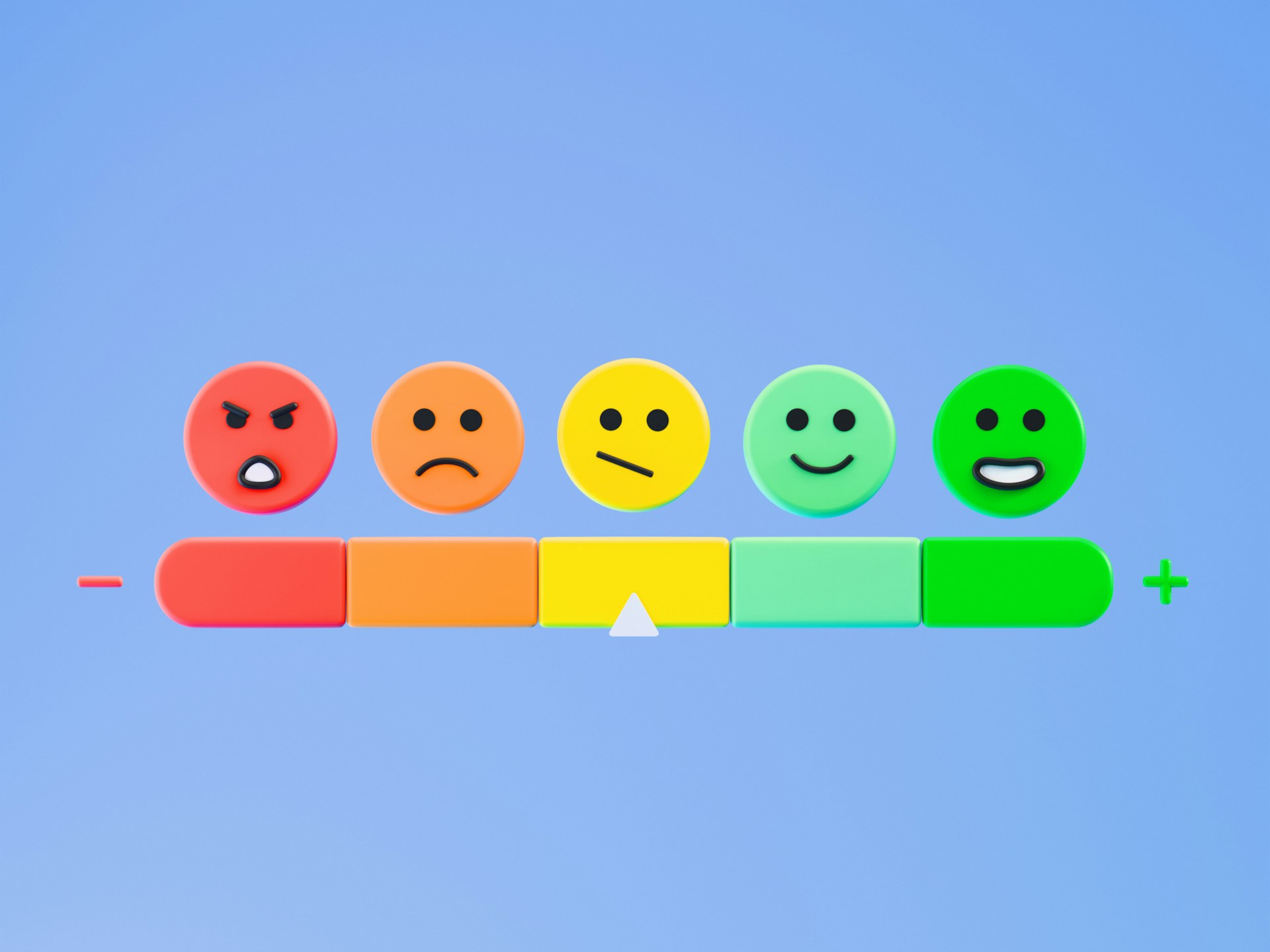
All children experience big emotions. Frustration, disappointment, excitement, sadness, anger, fear, and anxiety are normal parts of growing up.
The challenge is that children aren’t born knowing what to do with those feelings.
When emotions become overwhelming, a child might cry, yell, argue, slam a door, throw something, run away, or completely shut down. For parents, these moments can be exhausting—especially when you’re trying to figure out whether your child needs comfort, space, a consequence, or help calming down.
Helping children regulate emotions doesn’t mean preventing them from becoming upset.
Instead, we’re helping them gradually learn:
“I can have a big feeling without letting that feeling decide everything I do next.”
Big feelings aren’t bad behavior. Feelings and behaviors are different. A child can be allowed to feel angry while still learning that hitting isn’t an acceptable way to handle anger.
Why Do Kids Have Such Big Emotions?
Children are still developing the skills adults use to manage emotions.
They are learning how to:
- Recognize what they’re feeling
- Notice physical signs of escalating emotion
- Put feelings into words
- Tolerate frustration
- Control impulses
- Consider consequences
- Ask for what they need
- Use coping strategies
- Recover after becoming overwhelmed
Those skills develop gradually.
That’s why a child can sometimes tell you exactly what they’re supposed to do when they’re calm and then seem unable to use any of those skills when they’re furious.
Knowing a coping skill and being able to access it during a strong emotion are two different things.
1. Validate the Feeling While Guiding the Behavior
One of the most useful distinctions parents can make is between an emotion and the behavior that follows it.
Emotions aren’t inherently good or bad.
Children get angry. They get jealous. They become disappointed. They feel anxious. Sometimes they don’t like what another person is doing.
Trying to convince a child that they shouldn’t feel something usually doesn’t make the feeling disappear.
Instead, parents can validate the emotion while maintaining a boundary around behavior.
For example:
“It’s okay to be angry. It’s not okay to hit me.”
Or:
“I know you’re really disappointed that we have to leave. We’re still leaving, and I’ll help you get through being disappointed.”
Or:
“You’re really frustrated with your brother. You can tell him you’re angry, but you can’t throw things at him.”
Validation doesn’t mean agreeing with everything a child says or giving them what they want.
It communicates:
“Your feeling makes sense to me, and the boundary still exists.”
2. Help Your Child Name the Emotion
Children need words for their internal experiences.
Young children may describe almost every uncomfortable emotion as:
“Mad.”
But “mad” might actually mean:
- Frustrated
- Embarrassed
- Disappointed
- Jealous
- Lonely
- Worried
- Overwhelmed
- Left out
- Scared
- Tired
Building an emotional vocabulary helps children begin making sense of what they’re experiencing.
Parents can help by tentatively putting words to emotions:
“You look disappointed that your friend couldn’t come over.”
“I wonder if you’re feeling embarrassed about what happened at school.”
“It seems like you’re frustrated because that isn’t working the way you wanted.”
Notice the difference between saying:
“You’re angry.”
and:
“I wonder if you’re feeling angry.”
The second leaves room for the child to correct you.
They may respond:
“I’m not angry! I’m sad!”
That’s useful information.
3. Teach Children to Notice What Emotions Feel Like in Their Bodies
Emotions don’t happen only in our thoughts. They also show up in our bodies.
A child who is becoming anxious might notice:
- A racing heart
- Butterflies in their stomach
- Sweaty hands
- Tight muscles
- Faster breathing
A child becoming angry might notice:
- A hot face
- Clenched fists
- A tight jaw
- A louder voice
- An urge to hit, yell, or throw something
Parents can help children become curious about these signals.
Try asking:
“How does your body tell you that you’re getting frustrated?”
or:
“Where do you notice worry in your body?”
This can help children recognize emotions earlier.
That’s important because coping skills are often easier to use when a child is at a 4 out of 10 rather than already at a 10 out of 10.
4. Regulate First, Problem-Solve Later
When a child is extremely upset, parents often instinctively begin explaining.
“You need to understand why we can’t…”
“We’ve already talked about this…”
“If you would just listen…”
But the middle of an emotional explosion usually isn’t the best time for a lengthy lesson.
If your child is overwhelmed, focus first on helping them regain enough control to participate in the conversation.
That might mean:
- Using fewer words
- Speaking calmly
- Reducing stimulation
- Giving appropriate physical space
- Offering a familiar coping strategy
- Staying nearby when appropriate
Then return to the problem after everyone is calmer.
You can still hold limits and address behavior. You simply don’t have to do all of the teaching at the peak of the emotion.
5. Co-Regulation Comes Before Self-Regulation
Young children often need an adult’s help before they can regulate themselves effectively.
This is sometimes called co-regulation.
Your child may rely on your support and calm presence while they’re developing their own ability to manage strong feelings.
That doesn’t mean parents must remain perfectly calm all the time. Parents have emotions too.
But slowing your own response can make it easier to help your child slow theirs.
You might:
- Lower your voice
- Slow your speech
- Use short sentences
- Sit nearby
- Take a breath yourself
- Model the coping skill you’re suggesting
Instead of standing over your child saying:
“CALM DOWN!”
try:
“This is really hard. I’m right here. Let’s slow things down.”
6. Build a Coping-Skills Toolbox
Children benefit from having several coping strategies available rather than relying on a single technique.
A coping-skills toolbox might include:
- Deep breathing
- Four-Square Breathing
- Drawing or coloring
- Listening to music
- Taking a short break
- Squeezing a stress ball
- Using sensory objects
- Progressive muscle relaxation
- Five-senses grounding
- Going for a walk
- Physical movement
- Talking with a trusted adult
The toolbox doesn’t necessarily have to be a physical box.
Some children enjoy creating one with sensory items, cards, pictures, or written reminders. Older children may simply develop a list of strategies they know work for them.
For additional ideas, see our guide to calming techniques for anxious children and our breathing exercises for kids.
7. Practice Coping Skills When Your Child Is Calm
Don’t wait until the meltdown to introduce the skill.
If the first time a child hears about Four-Square Breathing is while they’re screaming, throwing something, or completely overwhelmed, they’re unlikely to think:
“Excellent suggestion. Let me try this new emotional regulation strategy.”
Practice when things are going well.
Try a few breaths before bed. Practice grounding in the car. Notice emotions while watching a movie. Talk about how characters handled disappointment.
Ask your child which strategies actually feel useful.
The more familiar a coping skill becomes, the easier it may be to remember when it’s actually needed.
8. Give Your Child Choices When Possible
When emotions feel out of control, small choices can sometimes help children regain a sense of agency.
Instead of:
“Go calm down.”
try:
“Would you rather sit here with me or have a little space?”
Or:
“Do you want to try a couple square breaths or take a short walk?”
Or:
“Do you want to talk about this now or after dinner?”
The parent still determines which choices are appropriate.
You’re not giving the child unlimited control—you are offering manageable choices within a boundary.
9. Don’t Accidentally Teach Children That Emotions Are Dangerous
When a child is distressed, it’s natural for parents to want to make the feeling disappear.
But if every uncomfortable emotion leads adults to immediately remove demands, eliminate challenges, or rescue the child from safe situations, children may begin learning:
“I can’t handle feeling uncomfortable.”
Coping skills should help children move through emotions—not necessarily escape everything that creates them.
For example, a child might feel anxious about ordering their own food at a restaurant.
A parent could help them use a coping strategy and then encourage them to try:
“Let’s do two square breaths together. Then you can tell the server what you’d like.”
We can validate the anxiety while still helping the child move toward the challenge.
This is particularly important for children with anxiety. Learn more about how avoidance can maintain childhood anxiety.
10. Reconnect After the Big Emotion
After everyone is calm, come back together.
This is the time to teach.
You might ask:
- “What happened?”
- “What were you feeling?”
- “What did you notice in your body?”
- “What did you want to do?”
- “What helped?”
- “What could we try next time?”
If the child’s behavior hurt someone or damaged something, regulation doesn’t eliminate accountability.
The child may still need to apologize, repair something, clean something up, or experience an appropriate consequence.
The message is:
“We can understand why this happened and still work on doing something differently next time.”
Validation Doesn’t Mean Giving In
This deserves repeating because it’s one of the biggest concerns parents have about validating emotions.
Suppose your child is furious because you said no to another hour of video games.
You can say:
“I know you’re really disappointed. You were having fun and wanted more time.”
And still say:
“Screen time is finished for tonight.”
Both statements can be true.
You don’t have to choose between being compassionate and setting a limit.
What About Tantrums and Challenging Behavior?
Big emotions and challenging behavior frequently overlap, but they’re not exactly the same thing.
A child’s tantrum may involve frustration, disappointment, difficulty tolerating limits, learned behavior patterns, developmental factors, attention, anxiety, or several things happening at once.
Understanding the emotion can help—but children also need predictable limits and reinforcement for appropriate behavior.
For more behavior-focused strategies, see our guide to temper tantrums in children.
For younger children with frequent defiance, aggression, tantrums, or parent-child power struggles, Parent-Child Interaction Therapy (PCIT) may also be worth considering.
When Are Big Emotions More Than Typical Childhood Ups and Downs?
Every child becomes overwhelmed sometimes.
The question isn’t simply whether a child has big emotions.
Consider how frequently they happen, how intense they are, how long recovery takes, and how much they interfere with the child’s life.
Additional support may be helpful when emotional difficulties:
- Frequently disrupt family life
- Regularly interfere with school
- Make friendships difficult
- Lead to significant avoidance
- Include frequent aggression or destructive behavior
- Result in prolonged or very frequent meltdowns
- Seem significantly different from what you would expect developmentally
- Are causing substantial distress for the child
- Are becoming increasingly difficult for the family to manage
Big emotions can be associated with many different concerns, including anxiety, ADHD, trauma, depression, developmental differences, disruptive behavior disorders, family stress, and other factors.
That’s why treatment should focus on understanding the individual child rather than simply trying to stop the outward behavior.
Therapy for Children With Big Emotions in Kalamazoo
Kalamazoo Child & Family Counseling works with children, teenagers, and families experiencing emotional and behavioral concerns.
Depending on the child’s age, symptoms, and needs, treatment may focus on emotional awareness, coping skills, behavior, anxiety, trauma, parent-child relationships, family interactions, or other areas.
If you’re wondering whether your child’s emotions or behavior may warrant additional support, read Does My Child Need Therapy? Signs It May Be Time to Get Help.
Are Big Emotions Taking Over Family Life?
If your child is struggling with frequent emotional outbursts, anxiety, frustration, behavior problems, or difficulty recovering when upset, therapy can help you better understand what’s happening and develop practical strategies.
Frequently Asked Questions About Kids and Big Emotions
Why does my child have such big emotions?
Children are still developing emotional awareness, impulse control, frustration tolerance, communication, and coping skills. Strong emotions are a normal part of childhood, although unusually frequent, intense, or impairing emotional reactions may warrant additional evaluation or support.
Should I validate my child’s feelings even when their behavior is inappropriate?
Yes. Validating an emotion doesn’t mean approving of the behavior. A parent can say, “It’s okay to be angry, but it’s not okay to hit.” This acknowledges the child’s internal experience while maintaining a clear behavioral limit.
What is co-regulation?
Co-regulation describes the support adults provide as children learn to manage emotions. A calm voice, predictable presence, appropriate physical space, simple language, and modeling coping strategies can help a child regain control while their own self-regulation skills are still developing.
What are good coping skills for kids with big emotions?
Options can include breathing exercises, grounding, drawing, music, movement, progressive muscle relaxation, sensory activities, taking an appropriate break, or talking with a trusted adult. Different strategies work for different children.
Why won’t my child use coping skills when they’re upset?
Skills can be harder to access when emotions become extremely intense. Practicing coping strategies during calm moments and helping children recognize earlier warning signs can make it easier to use those skills before they become completely overwhelmed.
Should I make my child talk when they’re having a meltdown?
Usually, lengthy problem-solving is more productive after the child’s emotional intensity has decreased. During a major emotional escalation, parents may get further by using fewer words, maintaining safety and limits, and returning to the discussion afterward.
Does validating feelings reinforce tantrums?
Validation and reinforcement are not the same thing. Parents can acknowledge a child’s feelings without changing a limit or providing something because of inappropriate behavior. For example, “I know you’re disappointed that screen time is over, and screen time is still finished for tonight.”
When should I seek therapy for my child’s emotions?
Consider professional support when emotional reactions are unusually frequent or intense, interfere with school, friendships or family life, involve aggression or significant avoidance, cause substantial distress, or are becoming increasingly difficult for the child or family to manage.
Reviewed by the clinical team at Kalamazoo Child & Family Counseling. Last reviewed: September 22, 2026.
Important: The information on this page is provided for general educational purposes only and is not intended to diagnose, treat, or provide medical or mental health advice. This information is not a substitute for an evaluation, diagnosis, medical opinion, or treatment recommendation from a qualified healthcare professional. If you have concerns about your child’s health, development, behavior, or mental health, please consult an appropriately qualified healthcare professional.